Loading…
Contact Us
Get a free consultation!
Contact Us
Get a free consultation!
Ode is a social app for theatre lovers to log the shows they see, review them, and share their favourites with a like‑minded community.

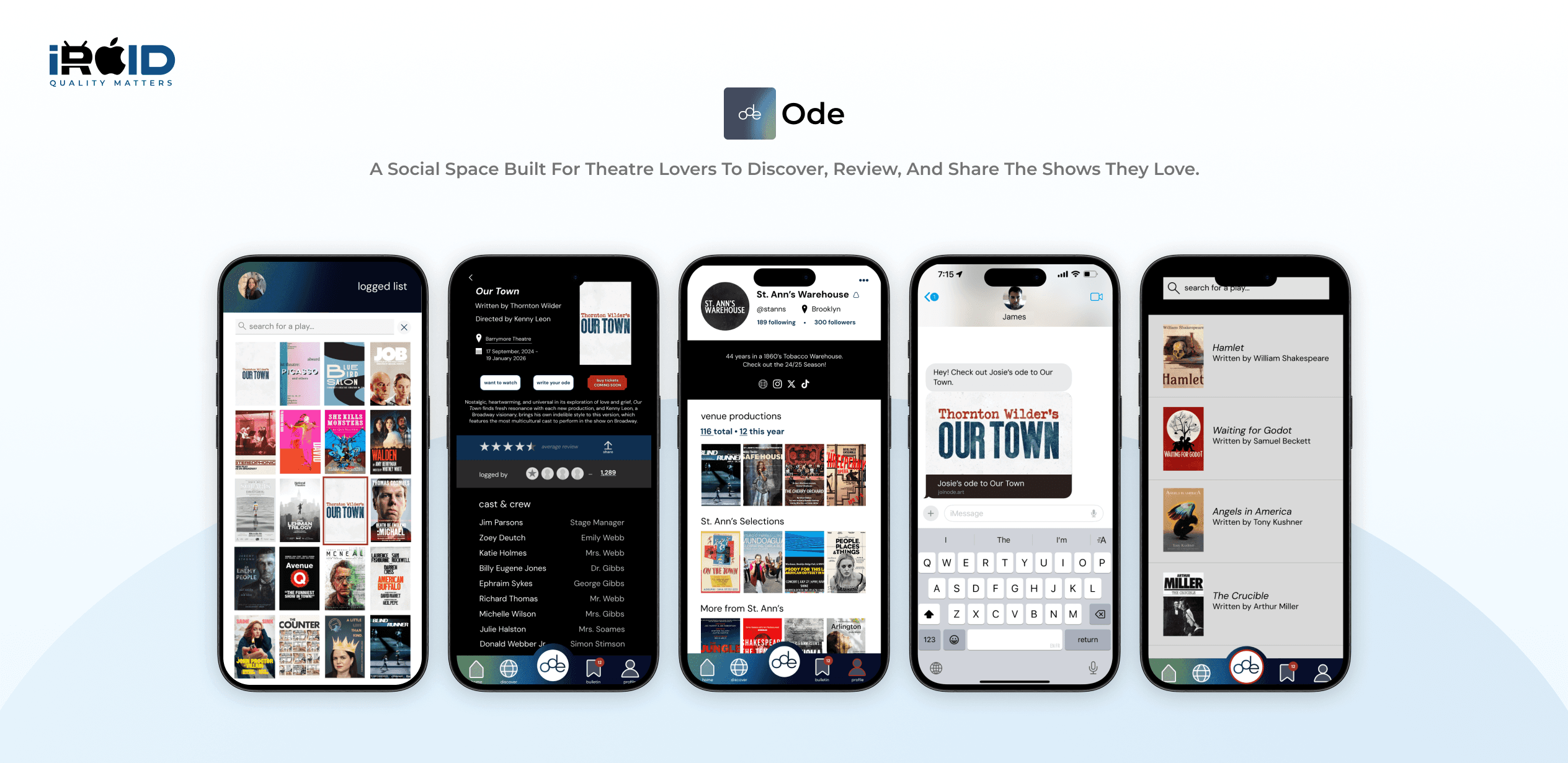
Ode is an iOS app built for people who love theatre and want a dedicated place to remember, review, and talk about the shows they see. It turns scattered tickets, notes, and memories into a structured personal log that also feeds into a shared community archive.
Your team delivered a SwiftUI‑based iOS app with a Node.js backend and admin tools, giving theatre fans a clean way to log performances, write reviews, build lists, and follow other members, while the Ode team manages content, curation, and community health in the background.
Tools

Xcode

VS code

Git
UI/UX

Figma
Cloud/Server

AWS

GoDaddy

Apache
Database

MongoDB
Back-end

NodeJs
Front-end

React

HTML5

CSS3

JavaScript

jquery
Mobile

Swift

iOS

IOS
1 Member

Node.js
1 Member

QA
1 Member

React
1 Member

Project Manager
1 Member
Most theatre lovers currently track what they’ve seen using a mix of notes apps, photos, and social posts, none of which are built specifically for live performance. Ode was created to change that: a focused space where users can log each show, reflect on it, and discover more theatre through other people’s experiences.
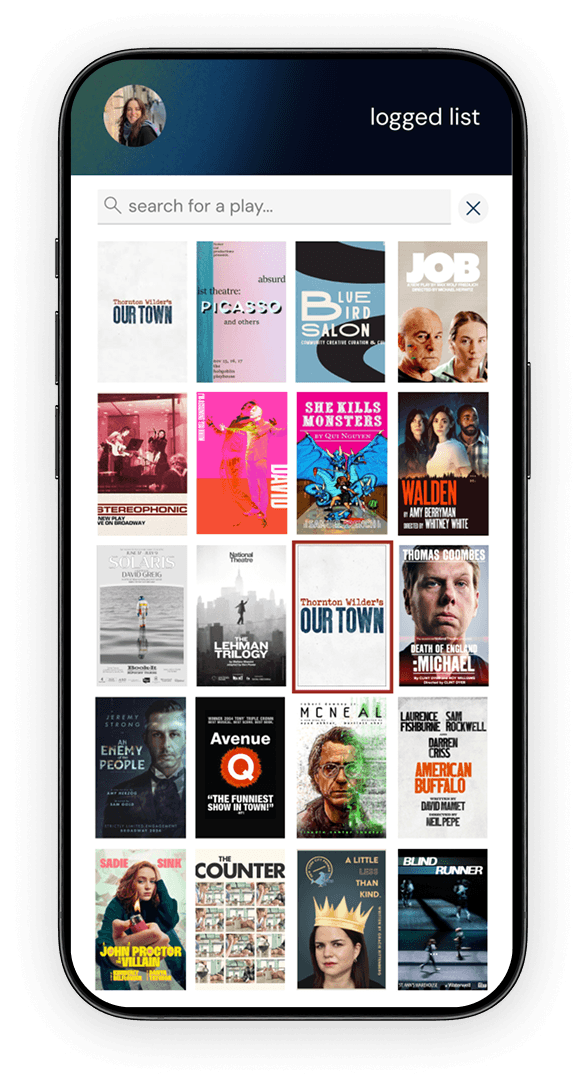
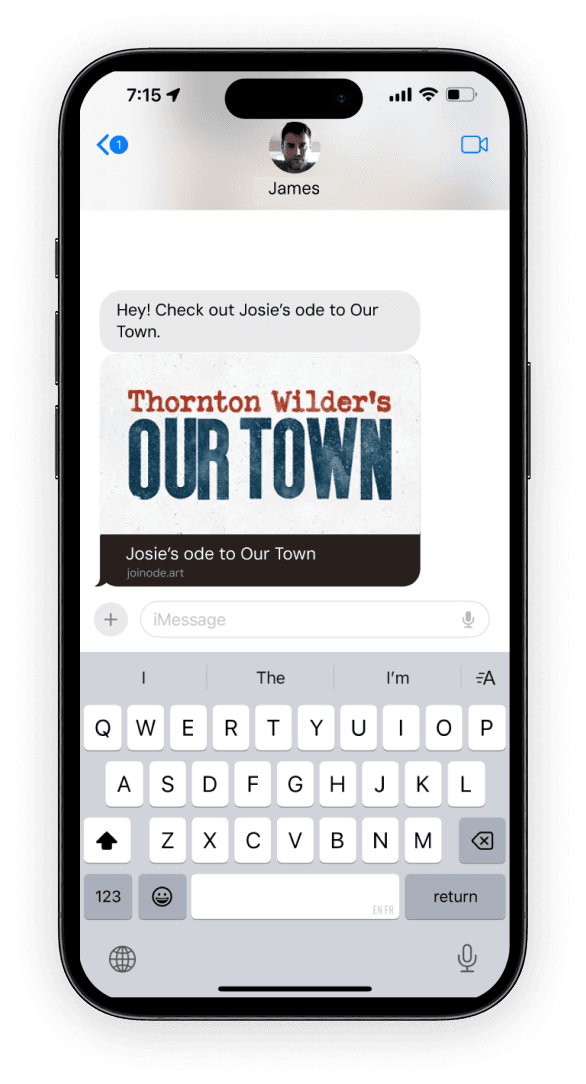
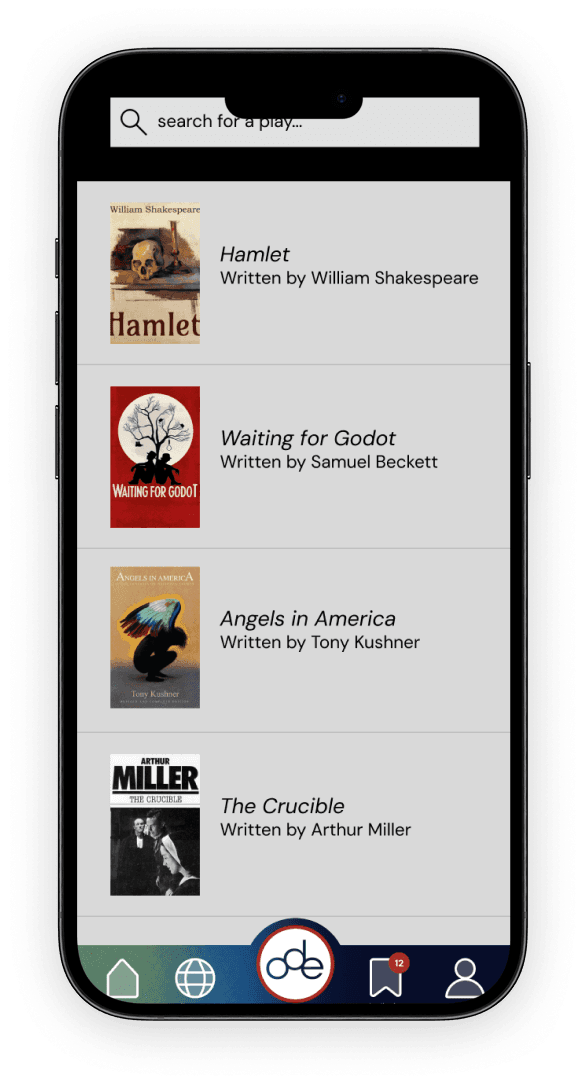
In the app, a user signs in and starts building their personal “theatre record.” They can search for a show, log when and where they saw it, add a rating and review, and tag companies or artists where available. Over time, this forms a diary of performances. Users can create and manage lists, such as favourites, “to‑see” shows, festival picks, or season goals, and browse editor‑curated lists that highlight important or interesting work. A social layer lets members follow other users, artists, and companies so their feed becomes a stream of reviews, logs, and lists from people they care about.
On the technical side, Ode is built natively in SwiftUI to feel at home on iOS, with smooth interaction patterns and a modern, Apple‑first design language. A Node.js backend powers authentication, profiles, show metadata, logs, reviews, lists, and feeds. An admin panel allows the Ode team to manage catalogue data, highlight productions, handle reports, and maintain a respectful, spam‑free space.
The main business goal of Ode is to become the go‑to digital home for theatre audiences, a place where their experiences don’t disappear after the curtain falls.
Instead of focusing on ticketing or sales, Ode centres the audience voice: logging shows, sharing reactions, and curating lists. This positions the app as a long‑term companion for theatre‑goers and a valuable audience‑insight tool for the industry.
From a product and growth perspective, the app is designed to build a passionate niche community first, and later support monetisation through premium discovery tools, partnerships with venues and festivals, and possibly enhanced features for companies and artists, all while keeping core logging and reviewing free.
Users can record every performance they attend with date, venue, company, and optional rating and review, building a lifelong record of their theatre journey.
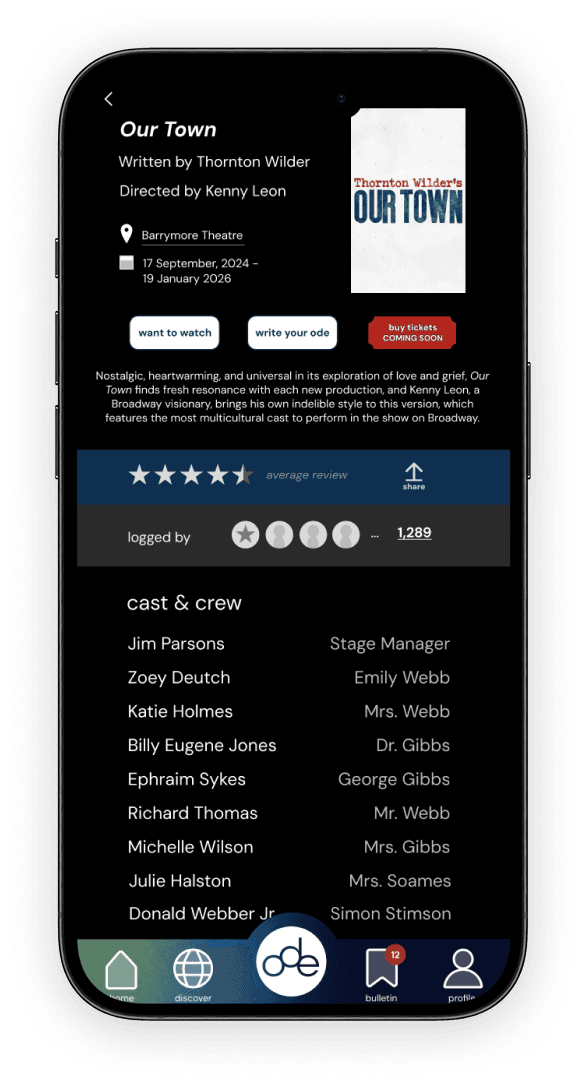
A review system lets members share thoughtful reflections, not just star ratings, turning audience reactions into part of a living archive.
Users can create custom lists (favourites, to‑see, themed collections, festival picks) and browse editor‑curated lists to discover new work and revisit classics.
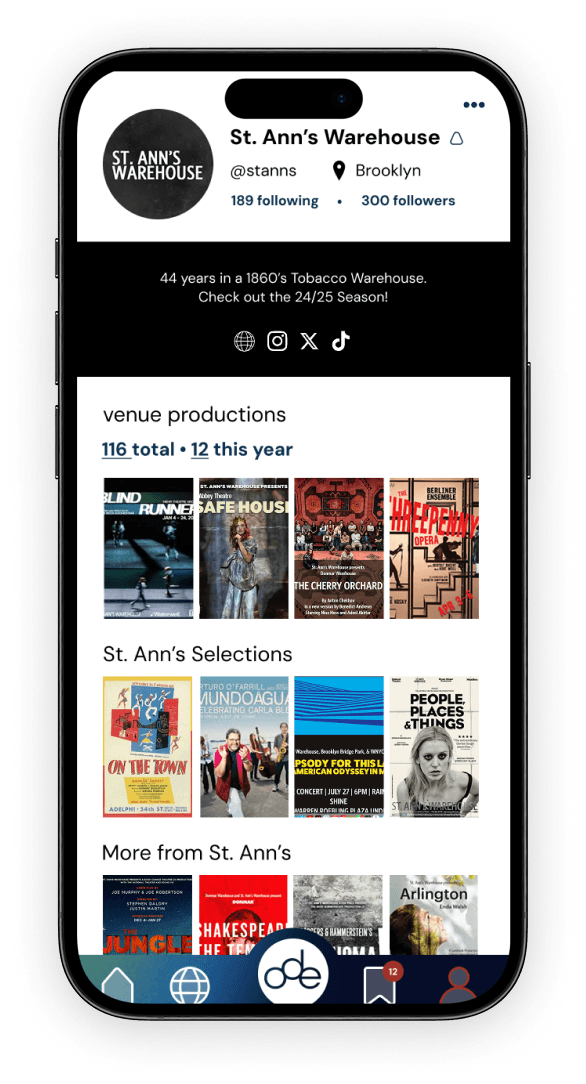
Members can follow other users, artists, and companies; their activity feed then surfaces logs, reviews, and lists from that network, making discovery feel personal.
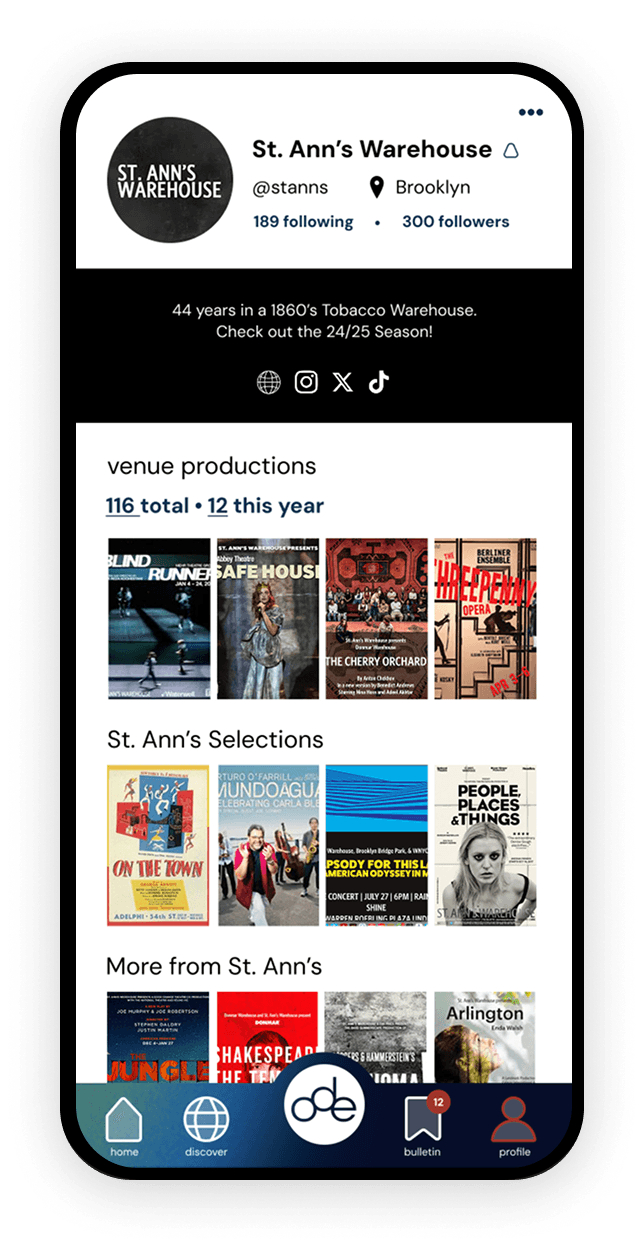
Show pages bring together information like credits and audience activity, while member profiles display diaries, reviews, lists, and connections.
A native SwiftUI interface delivers smooth navigation, modern interactions, and a design that feels at home on iPhone and iPad.
The backend manages users, shows, reviews, follows, and feeds, while admin tools support catalog management, curation, and community moderation.
Challenges
Solutions
Some people just want a private log; others want a community space to share and connect.
Ode treats the personal diary, lists, and social feed as first‑class but separate experiences: users can focus on logging for themselves and only engage socially as much as they want.
It’s easy for a social app to drift into generic content and lose its niche character.
Every feature is theatre‑specific, show logs, lists, credits, venue and company follows, so all activity stays rooted in performances, not unrelated posts.
Theatre is fragmented, with many companies, venues, and productions.
The backend and admin panel are designed to gradually enrich the catalog, support manual additions, and tie audience logs and reviews back to structured show and company entries.
Users may not write if the review flow feels like an essay assignment.
The review interface is streamlined (rating + free‑form thoughts) and integrated directly into the logging flow, so jotting a quick impression feels natural.
Theatre discussions can be passionate, and moderation matters.
Admin tools and community guidelines help the Ode team highlight constructive voices, manage reports, and keep the tone focused on discovery, respect, and love for the art form.
Have an app, web platform, AI solution, or custom software idea? Share it with us and get practical guidance from an experienced product development team.
Need a mobile app, web app, AI solution, or custom software?
Get a free consultation and discuss your project with our team.
Business



Passionate about mobile apps, websites, AI, and software development?
Join our growing team!
HR